By Lilly Wadewitz and Lizzy Farrar
As the New Year begins, many people start talking about their New Year’s resolutions. Resolutions are goals set at the start of the year—things people want to change, improve, or try. Some focus on getting healthier, others on stressing less, and some on learning something new. The idea is simple: start fresh.
Even though goals can be made any time of year, January 1st feels like a natural reset. It represents a clean slate and a chance to move forward without carrying the stress of the previous year. The New Year itself isn’t magic, but the mindset that comes with it often motivates people to try again.
January 1st became the start of the year because of the Gregorian calendar, which is still used today. This calendar was introduced in 1582 to fix timing problems in earlier calendars. By 1752, Great Britain and its territories—including parts of what is now the United States—had adopted it, officially making January 1st New Year’s Day.
To learn more about student goals, a survey was given to 22 ACJHS high school students asking if they made a New Year’s resolution. Thirteen students said yes, while nine said no.
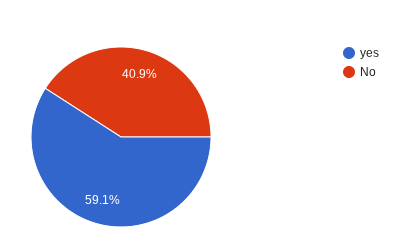
Most of the resolutions focused on improving mental or physical health. One student shared a goal to “not be as stressed and go with the flow,” but later admitted it was “not working—still stressed.” Many students could relate to that feeling.
Other students reported more success. One student set a goal to spend less time playing video games and drink less soda, explaining that things were going well because they “drink more water now.” Another student chose a creative goal, saying they wanted to learn guitar keys beyond G.
Overall, the survey shows that ACJHS students are motivated to improve themselves in different ways. Whether it’s mental health, habits, creativity, or motivation, many students are setting goals and working toward becoming better versions of themselves. Even small changes can make a difference, and every effort counts.
 THE BULLDOG BARKER BLOG